TBR List: What It Is and How to Actually Use One
Last updated April 7, 2026
TBR stands for "to be read." A TBR list is a record of books you want to read — whether you own them already, plan to buy them, or want to borrow them from a friend or library.
Most readers already have one. It might be a sprawling Goodreads shelf, a note on your phone, a Pinterest board, or just a mental list you're holding together with intention and mild anxiety. The question isn't whether to have a TBR list — it's how to make it useful instead of oppressive.
What is a TBR list?
A TBR list is exactly what it sounds like: a list of books you intend to read at some point. It's distinct from a "reading wish list" (books you want to own) and from a "have read" log (books you've finished). The TBR is specifically for books in the queue.
The challenge with TBR lists is that they grow faster than they get used. A dedicated reader might add three books a week from recommendations, reviews, and passing mentions — and read one. The list expands indefinitely. After a few years, it becomes a 400-item document that causes mild dread when opened.
The fix is treating your TBR list as a curated queue, not an archive of every book you've ever considered.
These are different lists
TBR List
Books to read soon
- →Books you actively intend to read
- →May already be on your shelf
- →Should stay manageable (15–25 books)
- →Points to books available to you now
- →Updated as you read and acquire
Want List
Books to acquire
- →Books you want to own
- →Gifts you'd welcome, books to save for
- →Aspirational — not necessarily reading soon
- →Separate from what you already have
- →Check against catalog before buying
The difference between a want list and a TBR list
These are often conflated, but it's useful to keep them separate:
TBR list (to be read): Books you actively intend to read in the near or medium term. These might already be on your shelf, or you might need to acquire them.
Want list: Books you want to own — gifts you'd welcome, books you're saving up for, editions you'd like to have.
Some books belong on both lists. Others belong on only one. A book you'd like to own but aren't currently planning to read is a want list item, not a TBR item. A book you'd like to read but don't particularly want to own (because you'll borrow it or get it from the library) is a TBR item, not a want list item.
Keeping them separate prevents the lists from becoming unmanageable and makes each more actionable.
How to build a TBR list that's actually useful
Start with what's already on your shelf. The most important TBR items are books you already own and haven't read yet. These should be the top of your list — you've already invested in them, they're immediately available, and reading them means your library is earning its space. A well-organized collection makes this easier; how to start a home library covers the whole setup from the beginning.
If you have a catalog of your books, filtering for "unread" gives you your real TBR instantly. No separate list needed for these.
Add new items deliberately. Before adding a book to your TBR, ask: do I actually want to read this, or am I just noting that it exists? A book you're genuinely excited about belongs on the list. A book you might read sometime in the next decade probably doesn't.
Give it a maximum length. Some readers find it helpful to cap their TBR list at 20 or 30 items. When you want to add something new, you remove something. This keeps the list functional rather than encyclopedic.
Sort by urgency or interest, not recency. The most recently added book shouldn't automatically be at the top. Keep your most-anticipated, most-immediately-relevant books visible.
How to connect your TBR to your owned books
One of the most useful things a catalog app can do is bridge your TBR and your owned collection. When a book on your TBR shows up in your library (you bought it, received it as a gift, found it at a used bookshop), it should move — from "want to read / want to own" to "on shelf, unread."
This is where a dedicated library app has an advantage over a Goodreads shelf or a note. In Plumerie, your want list is separate from your main library. When you scan a book you've acquired, it moves into your catalog with an "unread" status. You can see at a glance what's on your shelf and unread — your real TBR — versus what you're still looking to acquire.
Why your TBR should mostly be your own shelves
There's an impulse in reading culture to treat the TBR list as a wish list — full of books you don't own and haven't read. But a list of 300 unacquired books isn't really a to-be-read list. It's a to-be-acquired-and-possibly-someday-read list.
The more useful discipline is reading what you own before buying more. Most book lovers have a significant backlog of unread books on their actual shelves. Reading from that backlog first:
- Makes the money you've already spent worthwhile
- Prevents accumulation from outpacing reading
- Produces genuine satisfaction as the catalog of "unread" books shrinks
A TBR list should point you toward books that are already available to you — either on your shelf, at your library, or in a friend's collection.
Tools for managing a TBR list

Blake Crouch
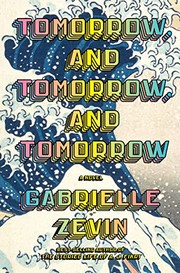
Gabrielle Zevin
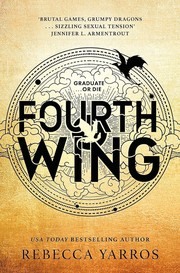
Rebecca Yarros
Goodreads / StoryGraph: Both have "want to read" shelves that function as TBR lists in a social context. Useful if you want community features. Not tied to what you physically own. For a detailed comparison of how these apps stack up for physical book lovers, see the best reading tracker apps.
A notebook: Simple and effective for people who like analog systems. Doesn't integrate with a book catalog.
A note in your phone: Low friction, always with you. Tends to become unmanageable over time without periodic pruning.
A library catalog app (like Plumerie): The advantage is integration. Your want list sits alongside your owned collection. When you acquire a book, one scan moves it from "want" to "owned, unread." Your actual TBR — books on your shelf you haven't read — is always visible as a filtered view of your library.
“If your TBR list is longer than you could realistically read in two years at your current pace, it's no longer functioning as a reading queue — it's a wishlist archive.”
How long should a TBR list be?
There's no right answer, but a useful heuristic: if your TBR list is longer than you could realistically read in two years at your current pace, it's no longer functioning as a reading queue — it's a wishlist archive.
A shorter, curated TBR of 15–25 books you're genuinely excited to read is more useful than a 400-item list that makes you feel guilty every time you open it.
Plumerie keeps your want list and owned collection separate, so your real TBR is always visible. Free to start. Try it →